
Why High-Touch Surfaces Are Changing the Way People Clean Their?
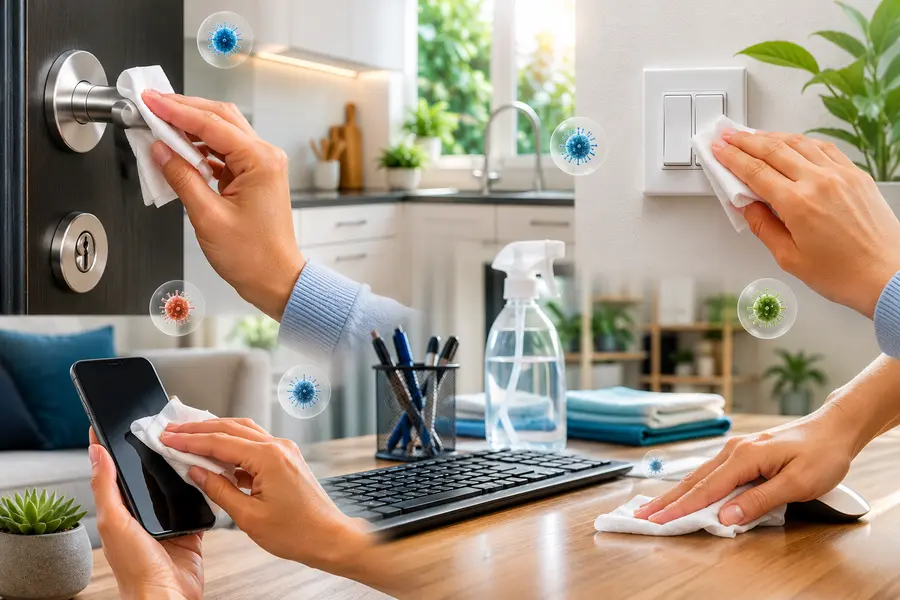
How often do you think you touch a doorknob or some other surface during a day? A good wash of hands changes the state of visible dirt for sure, but there are always some hidden spots in very high-traffic areas in a building or home which are never cleaned. These are, in fact, high-touch surfaces exposed to frequent use that become breeding grounds for germs, bacteria, dust, and dirt that can survive for several days. Hygiene, being a really hot topic these days, is changing the way people lead their cleaning and maintenance habits. Besides cleaning floors and getting rid of visible dirt, most homes and commercial spaces today have cleaning and disinfecting of surfaces as the main types of cleaning activities. So, knowing more about these surfaces can help us make cleaner, healthier and safer environments for everyone.
What Are High-Touch Surfaces?
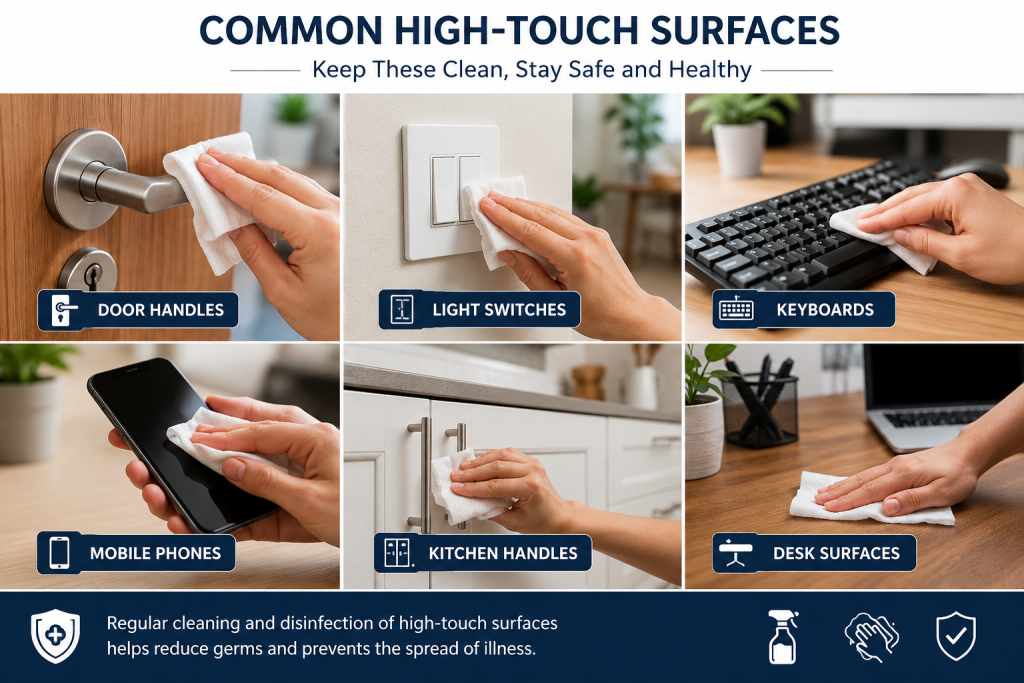
High-touch surfaces include objects or areas touched by hands on which contamination can be transmitted, and they are touched frequently by many people throughout the day. Because they are in constant use, they can rapidly become soiled with grime, oils, bacteria, and other contaminants. Floors and walls might only need a little cleansing; doorways often want practically cleansing as a result of hygiene. Can be door handles, light switches, kitchen worktops, TV remotes, elevator pads, keyboards and shared office kit, to name a few. For those who haven’t a clue, these surfaces might appear quite clean at first glance, but they might actually be teeming with germs that keep getting spread as people continuously touch them. Due to this new revelation, a few individuals have actually ceased their conventional cleaning habits.
Why These Places Count
There are quite a few surfaces which we interact with during our daily routines, and these are what we call high-touch surfaces. Most often, germs stick around on things we touch every day. Hands can carry those microbes from one spot to another. Cleaning busy spots gets tricky when lots of individuals move through – homes, workplaces, classrooms, any shared space really. Target what many people interact with – the door handles, light switches, railings. That way, effort lines up better with actual risk. Efficiency shows up naturally when attention goes where it’s needed most. Each wipe or spray done right lowers chances of spreading unwanted guests. Over time, consistent care turns into fewer surprises. Healthier air indoors begins with what happens at surface level.
Common Sources Of Contamination
| Surface Type | Why It Needs Attention |
| Door handles | Touched by many people daily |
| Light switches | Frequent hand contact |
| Keyboards | Accumulate dust and germs |
| Mobile phones | Constant personal use |
| Kitchen surfaces | Exposure to food particles |
| Bathroom fixtures | High moisture and usage |
Common High-Touch Areas
Some folks are shocked at the amount of high-touch points in a home or office. Kitchen taps, handles on the refrigerator, TV remotes, bannisters and wrapping down the cupboards are the most commonly touched items in the home. In the office, shared desks, printers, coffee machines, meeting room equipment and reception desks are commonly a hive of activity with multiple employees using them throughout the day. Payment terminals, chairs in waiting areas and entrance doors may also require attention from businesses that run client-facing operations. Pinpointing these areas is the first of several steps to developing a cleaning regimen that tackles real hygiene threats and not just visible grime and dust.
The Rise Of Surface Disinfection
Cleaning practices have changed quite a bit. These days, now incorporating surface disinfection as a standard part of cleaning routines. Wiping away grime takes visible gunk off surfaces – yet that alone won’t stop tiny invaders. Because of this, homes and workplaces now keep such products close at hand. Routines have shifted quietly, making space for extra steps once ignored. The increase in focus on disinfecting surfaces seems to suggest that people are beginning to think about cleanliness in more holistic terms rather than simply a matter of removal of visible grime. They are not only visually confirming that a surface is clean, but are also doing some smelling, touching, and even tasting as they work to make the environment safer for living well.
Cleaning Vs Surface Disinfection
| Task | Purpose |
| Cleaning | Removes dirt, dust, and debris |
| Surface Disinfection | Reduces germs on cleaned surfaces |
| Cleaning Frequency | Daily or as needed |
| Disinfection Frequency | Focus on high-touch areas regularly |
| Best Result | Combining both methods |
Cleaning Homes More Effectively
Home jesters are adjusting more of their day-to-day activities to bring extra scrutiny to high-touch surfaces. Rather than confining themselves to cleaning weekly, many now do quick daily wipe-downs of high-traffic areas. Door handles, kitchen benches, remote controls, handles of appliances and bathroom fittings can all be cleaned at once with very little fuss. It prevents the slow build-up of dirt and the potential spread of contaminants around the house. For larger workplaces and shared facilities, professional commercial cleaning services can help ensure these high-touch surfaces receive regular attention and proper sanitisation.This is a plus for any families with kids, elderly family members, or animals of habitation. “But by standard cleaning and disinfecting your surfaces, you can certainly have a cleaner home and still have a manageable schedule,” she said.
Improving Workplace Hygiene Standards
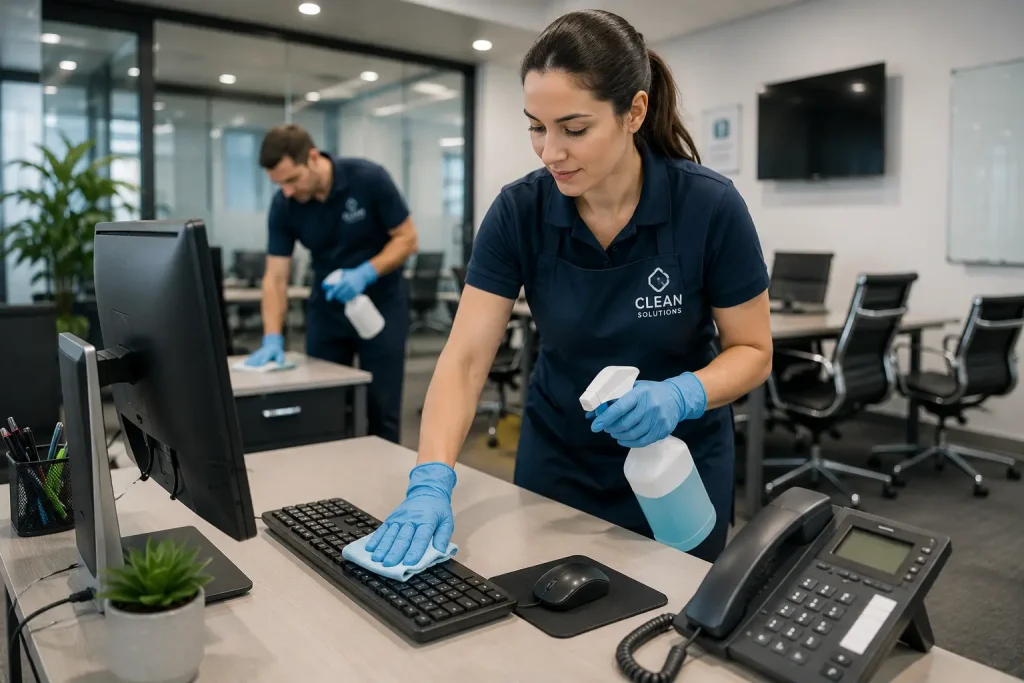
Workplaces have changed their cleaning practices as well due to increased focus on high-touch surfaces. Home office, retail, healthcare, and school channels usually have a continuous flow of people passing through their areas during the day. Most touched spots collect invisible hitchhikers if left alone too long. Now offices wipe desks, taps, knobs, rails, seats, and screens more than before – sometimes swapping old routines for tighter ones. A routine swipe across shared objects softens tension between coworkers and those who visit. Quiet effort here speaks louder than posted promises ever could.
Practical Cleaning Tips
High-touched surface areas can get wiped down through basic steps plus everyday supplies. First, you need to know what surfaces you touch most throughout the day with your hands and then clean those on a regular basis. Microfibre cloths, appropriate cleaning products and cleaning with the right frequency can make a good difference. The clean-to-dirty sequence of cleaning is recommended so as not to spread contamination. Think about door handles – hitting them each day keeps germs lower compared to skipping weeks. Spot checks add up better than marathon sessions once in a while. Daily wipes just work more reliably that way.
Practical Tips Include:
- Clean surfaces that are frequently touched on a daily basis.
- Use separate cloths for kitchens and bathrooms.
- Follow product instructions carefully.
- Replace cleaning cloths regularly.
- Encourage good hand hygiene practices.
- Include high-touch areas in cleaning checklists.
Building Better Cleaning Habits
Forming durable habits of cleaning regularly is one of the best means by which high-touch surfaces can be controlled. You shouldn’t wait until the surface looks dirty to clean. Cleaning should be done for prevention and regularly if it is going to be effective. Digitally facilitated notifications, cleaning schedules and chore lists are some of the common tools in many homes and offices to help remind owners not to overlook a critical area. Staff training, family member involvement and calls to duty can also increase accountability. Consistency is more impactful than infrequent large efforts to accomplish something. If everyone added disinfecting high-touch surfaces to their daily cleaning routine, the environment will be much healthier, and therefore decrease the need for deep cleaning and reduce our fatigue.
Summary
With their increased attention to high-touch surfaces, the cleaning behaviours of Australians, both in their homes and at work, are also being modified. These unwelcome hosts for dirt and germs should be cleaned regularly. And with hygiene awareness on the rise, we are now incorporating surface disinfection as part of our regular cleaning approach, using it beyond regular cleaning. Whether in public places, at home or work, a bit of extra thought about the high-touch areas can really make the difference in providing cleaner surroundings, healthier indoor conditions and at the very least, giving one peace of mind.
The same attention to detail is important when dealing with household cleaning challenges, such as learning how to clean pee out of a couch without damaging the fabric to maintain a fresh and hygienic living environment. Through recognising high-touch critical touch points, scheduling regular habits and using simple cleaning methods, we will be able to achieve more remarkable results in making the environments cleaner, healthier and more comfortable.
Related Posts
The Best Way to Eliminate Cat Urine Smell from Carpets
Have you ever made a step into your house and then hit a horrible and…
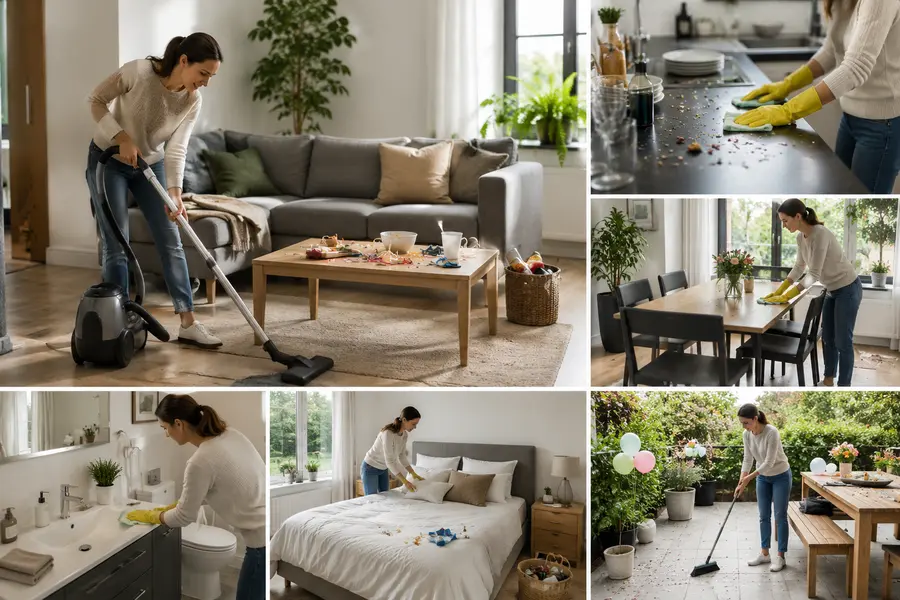
A Room-by-Room Post-Party Cleaning Checklist
Cleaning Checklist: Room-by-Room Post-Party Cleaning Sharing a family gathering or get-together with friends is a…
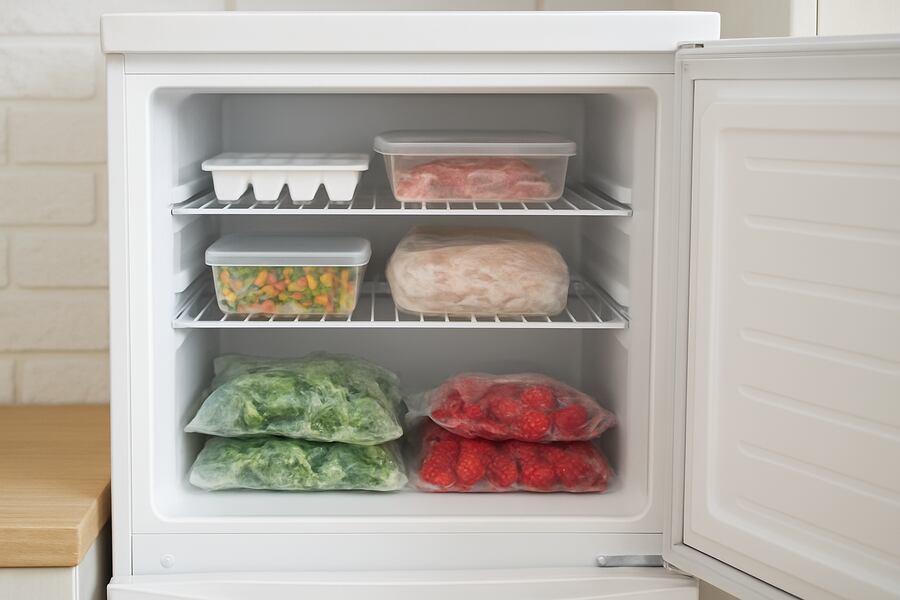
Seven Expert Recommendations to Deep Clean Your Freezer
When was the last time you cleaned your freezer? Do you open the door and…