
How to Clean Marble and Natural Stone Without Scratches
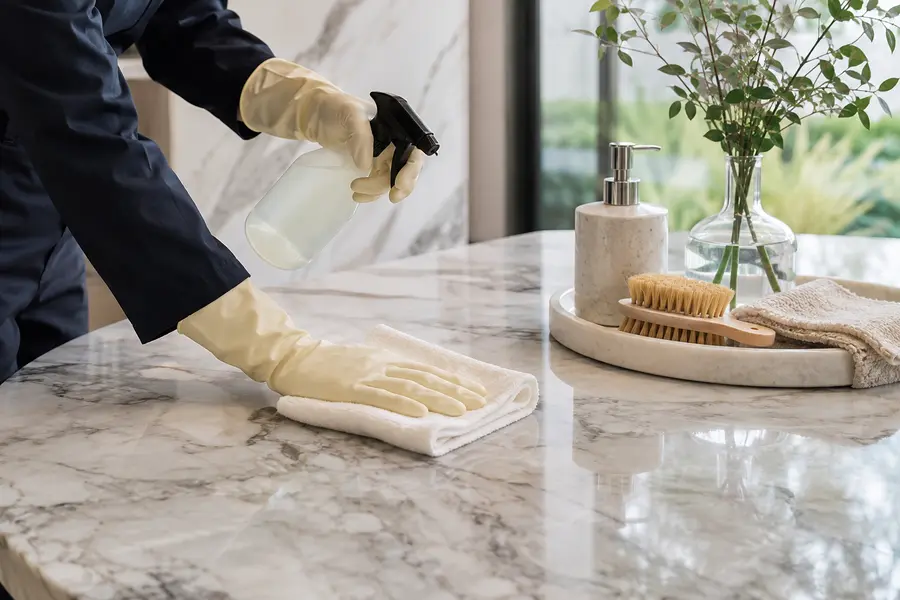
Marble and natural stone can make a home feel elegant, light-filled and timeless but these finishes require special cleaning if you want to maintain a good look in the eye. Strong chemicals, abrasive tools and inappropriate methods may results in scratches, fading areas or even permanent marks. And it’s essential when getting a rental ready for a move-out inspection. This blog post discusses How to Clean Marble and Natural Stone Safely and effectively without destroying it. A few pages later you will know some easy cleaning tricks. Also you will receive advice about cleaning products that could harm your furniture and get to know some tips on how to protect the stone surfaces in your house.
Understand Your Stone Surface
For the sake of cleaning natural stone have a clear knowledge for the surface type you are dealing with. Natural stones like marble travertine limestone, granite and sandstone have different characteristics. The level of porosity of one stone and the density of the other are the two most important factors here. It is a well known fact that marble being a carbonate stone gets quite easily corroded by most types of acids and also very aggressive chemical cleaning agents. Take a look at any care instructions for the stone or property. When in doubt try out your cleaning method on an inconspicuous spot first. With natural stone, maintenance should always be tailored to the material, finish and condition of the surface. Delicate or heavily marked stone surfaces may require advice from skilled cleaning professionals to avoid accidental damage.
Natural Stone Cleaning Guide
| Stone type | Safer approach | Avoid |
| Marble | pH-neutral cleaner | Vinegar and acids |
| Granite | Mild stone cleaner | Abrasive powders |
| Limestone | Gentle damp cleaning | Strong acids |
| Travertine | pH-neutral solution | Harsh chemicals |
| Sandstone | Soft brush and mild cleaner | Excessive water |
Remove Loose Dirt First
The sand and dust are brushed out before the cleaning fluid is applied. Tiny particles can work like abrasives when pushed along polished stone. These can create micro scratches which are more obvious in bright illumination. Surface dirt can be dusted away with a soft, dry microfiber cloth, soft dust mop or gentle vacuum attachment. Do not pull heavy objects over the stone on cleaning or otherwise. Dust it with the help of a feather duster, vacuum it with the vacuum cleaner or sweep it with a broom to remove dirt and loose particles from the floor before mopping the floor. Having a clean surface will diminish the possibility of grit being rubbed along the stone. It’s a simple step and one of the easiest ways to shield polished natural stone from needless wear.
Use A Gentle Cleaning Solution
It’s the cleaning method as much as the cleaning solution when it comes to How to Clean Marble and Natural Stone. Use a cleaner formulated for natural stone or a mild pH neutral cleaner. Prepare the product as far as instructions. More cleanings do not necessarily better cleaning results. Too much product can leave a film on the surface making the surface look dull. Start by soaking a microfiber cloth or clean mop in the mixture that you have decided to use. Avoid using home remedies with acid on marble because they will etch on the surface of the marble. Marble and other stone surfaces might be injured by the use of lemon juice and vinegars too.
Avoid Scratches And Surface Damage
Scratches most of the time come down to the wrong cleaning tool and not the cleaning liquid itself. Scratches on polished surfaces might be due to the use of steel wool scrubbers, abrasive compounds and brushes made of stiff hairs. It is always safe and advisable to use only gentle materials for cleaning. Of these, microfiber ones would work really well because they get particles and soil from surfaces without requiring vigorous scrubbing. A dirt particle will give way very easily if you apply a little pressure on it and then a few passes with the fabric over the area with practically no force being used. Rather use a solution which is suitable for use on such stones for a gentle loosening of the dried-up matter by a process in which the solution softens the layer and then the soft material wipes away without putting any resistance to the surface.
Cleaning Tools To Choose
| Cleaning tool | Suitable use | Important tip |
| Microfiber cloth | Daily cleaning | Use a clean cloth |
| Soft mop | Stone floors | Avoid excess water |
| Soft brush | Edges and grout | Use gentle pressure |
| Stone-safe sponge | Small marks | Avoid abrasive sides |
| Vacuum attachment | Loose dirt | Use low pressure |
Treat Spills As Soon As Possible
Spilling drinks on unsealed natural stone surfaces is a matter of serious concern. Because a stain can get absorbed into the stone within just a few moments and then no matter how much effort one puts into getting rid of it later on it might only get even worse! If a spill is allowed to remain on the stone for a longer period, a surface or a natural stone, it may turn into a lasting stain, depending also on the type of natural stone. Use a clean cloth to soak up the blush instead of trying to spread it around on the stone. Pay extra attention to your kitchen workspaces and eating nooks that are most often covered with mess of any kind due to their use for serving meals.
Handle Stains With Extra Care
Some stains demand extra attention than just that of normal surface grime. Know the source of the stain before you treat a stubborn stain. Some stains require different cleaning techniques. Oil-based stains can act differently than water-based stains. Rust, paint and other things may also need professional removal. Avoid using strong chemicals in the mixture. It is strictly advised not to use strong chemicals on stone nor its finish. If the stain remains after a gentle clean, the best advice is to get a professional natural stone cleaning consultant. There are a few dull spots that, if they are marble, will probably turn out to be chemical discoloration rather than dirt and in that case, cleaning will not always remove the dullness.
Protect Stone After Cleaning
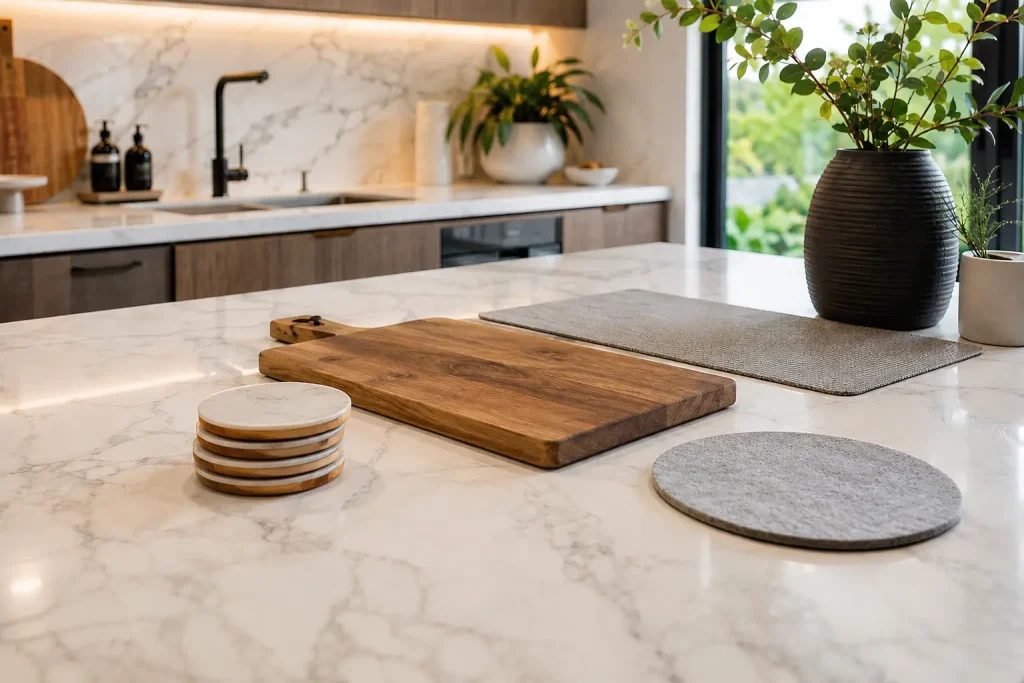
Although cleaning plays a role in the care of natural stone there are some follow-ups you can perform to minimize the likelihood of staining and making the cleaning after spill easier and more frequent than a chore. It would be recommended that you leave a coaster under the drink and a placemat under the object which could damage the stone. Besides that in kitchen areas it would also be useful and better practice to not do cutting and chopping on marble worktops but instead use chopping boards for food cutting. To prevent scratching, all home decor items should be supported by appropriate protective pads below. But sealing requirements vary based on the material and coating. Check the manufacturer’s directions closely or get professional opinion before you apply a sealer.
Know What Products To Avoid
A safe marble cleaning is knowing which products not to use. Acidic cleaners are also known source of damage on marble and other acid-sensitive stones. Unless otherwise indicated for the particular surface, you should also refrain from using bleach, strong solvents or abrasive powders. Acid may be included in bathroom products for removing tenacious limescale. These can harm sensitive natural stone. Before you use any cleaner, always read the label. Don’t mix cleaning chemicals. Products may be mixed in to produce harmful fumes or other chemical reactions. You can use one appropriate product rather than several, just follow the instructions. If you are not sure about its safety better not apply the sealer to an obvious place. Make it a point to always read the manufacturer’s instructions or refer back to the professional cleaner
Clean Stone Before Moving Out
Moving out of a rental property means that interfaces made of natural stones require extra preparation to ensure a deep final cleaning. If you have marble floors, bench tops, vanities, stonework of all sorts the bright light will expose dirt, stains and dull spots on the surface. First, brush off any loose dirt and clean the natural stone surface using just a mild detergent, ideally one that is safe for stone surfaces. After cleaning, wipe away all the remaining detergent and allow it to air dry. Take the stone piece into the bright light from different sides to look for the appearance of the cleaning spots or streak.
Conclusion
Discover how to properly maintain and clean marble and stones through good methods and equipment. Naturally marble stones and other natural surfaces are prone to damage and because of this need to be handled gently so as not to destroy them with strong chemicals and cleaners. Also, overuse of water can do great harm to marble and stone. Before you vacate you should also give stone surfaces a once over, and clean simple marks with safe substitutes. If the staining, etching or damage has much affected the surface then it is best to consult professionals for help. Light cleaning of the surface will help to restore the natural beauty of the stoned surface without the risk of making new scratches. Proper home care also includes understanding what causes bad smells in clean-looking homes.
Frequently Asked Questions
Can You Use Vinegar On Marble?
No, Vinegar is acidic and can damage marble finishes. Use a suitable pH-neutral natural stone cleaner instead.
What Is Best For Cleaning Marble?
A soft microfiber cloth and a suitable pH-neutral stone cleaner are generally safer choices for routine marble cleaning.
How Do You Prevent Marble Scratches?
Remove grit first and use soft cleaning tools. Avoid abrasive powders, rough scourers and dragging heavy items across the surface.
Can Natural Stone Be Mopped?
Yes, many natural stone floors can be mopped with a suitable stone-safe cleaner. Avoid excessive water and dry the surface afterwards.
Related Posts
What Causes Bad Smells in Clean-Looking Homes
It can be quite a bit confusing to walk into a house that has no…
How Methylated Spirits Can Help You in Cleaning Your Home?
Methylated spirits are not only fuel or solvent, but also the best cleaning mate that…

Why High-Touch Surfaces Are Changing the Way People Clean Their?
How often do you think you touch a doorknob or some other surface during a…