
10 Bond Cleaning Tips for Tenants Moving Out
Key Takeaways
- Start cleaning after removing most of your belongings
- Follow your tenancy agreement and exit condition report
- Clean the kitchen, bathroom, floors and windows carefully
- Pay attention to ovens, grout, skirting boards and fixtures
- Treat stains and carpet marks before the final inspection
- Check the property room by room before handing back keys
- Take photos after cleaning for your records
- Arrange professional end of lease cleaning when needed
Moving out of a rental does not necessarily end with boxing your belongings and giving back your keys. Cleaning can impact your final review and bond refund. Even small overlooked areas can result in cleaning issues or disagreements with your landlord. Knowing when to clean and what to clean will make the process easier for you. In this blog, Perth Bond Clean shares some practical bond cleaning tips for tenants to help make their rental ready for handover. The list below covers areas such as the kitchen, bathroom, carpets and even the outside, helping you clean these spaces effectively and thoroughly while avoiding commonly overlooked areas.
Check Your Rental Agreement
Before cleaning, review your tenancy agreement and entry condition report. Your cleaning responsibilities are clearly laid out in these documents. As with many aspects of life in Australia, different cities and even different rental agreements can mean that rules change between states. The property generally needs to be returned in the required condition, allowing for fair wear and tear. Avoid assuming that every property has identical cleaning expectations. Check any instructions from your landlord or property manager. This first step can prevent unnecessary work and help you focus on areas that may affect your bond.
| Area | What to Check |
| Walls | Marks, scuffs and removable stains |
| Floors | Dirt, stains and built-up grime |
| Kitchen | Oven, cooktop, cupboards and appliances |
| Bathroom | Shower, toilet, vanity and grout |
| Windows | Glass, tracks and frames |
| Outdoor areas | Floors, patios and rubbish |
Start With Decluttering
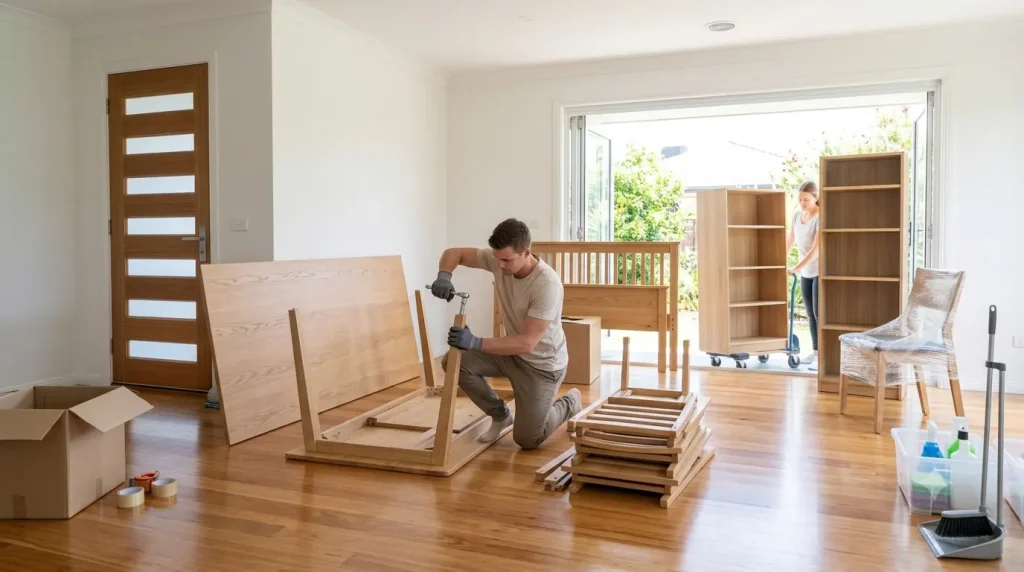
Cleanup becomes almost a breeze after you’ve unpacked absolutely everything. Dirty spots hidden in the dirt, dust and debris under things. Remove dirt, dust, rubbish etc. and leave no corner uncleaned. Start with opening up all your cupboards and drawers taking everything out and placing it in a clean spot. When you look around the house you find hidden away spots like a place under your furniture. Dispose of the rubbish and clear the space properly so that unwanted items don’t come into it. It’s less repetitive work this way. It also allows you to more easily see marks, stains and damage that needs attention prior to the final walk-through.
Clean Room By Room
Working in one room at a time will keep you cleaning in a very dedicated manner. You start at the furthest, highest point and gradually progress down. First off, dust ceiling fans, light fixtures, vent grills and high shelves. Then, proceed to washing walls, doors switches and skirting boards. End with the floors and any other low surfaces. Travel as soon as you can through one room before moving on to another. This technique minimizes the likelihood of small areas being overlooked. It also makes your final walk-through a snap you can check off each room on your list as you leave.
Focus On Often-Missed Areas
Tenants usually see what’s visible to them on the walls and neglect those really tiny hiding places in the corners. Look closely at the door jambs and tops of cupboards, light switches and window wells. Wash behind doors and under loosely held furniture where possible. Take down cobwebs from corners, ceilings. Feel wardrobes and storage areas for dust. These places may not feel necessary as part of routine cleaning. But grime is something which can become visible when the building is bare.
Give The Kitchen Extra Attention
The kitchen needs scouring the most regularly because you get buildup of grease and food bits in there. Give the cooktop, splashback, rangehood and bench all a really good clean. Wipe down the inside of cabinets and drawers once everything is taken out. Focus on handles and corners. Clean the sink and taps and surrounding areas to remove residue and water stains. A longer baking may be necessary in the oven if a grease build-up exists. Clean your appliances per the manual instructions from manufacturers and keep away abrasive products from surfaces which may be sensitive. Bathing areas require additional care because of the rapid development of soap scum, moulds and lime stains.
Kitchen Cleaning Checklist
| Kitchen area | Cleaning task |
| Oven | Remove grease and baked-on residue |
| Cooktop | Clean spills and grease |
| Rangehood | Clean filters and external surfaces |
| Cupboards | Wipe inside and outside |
| Sink | Remove residue and water marks |
| Benchtops | Remove food stains and grime |
| Floors | Vacuum and mop thoroughly |
Deep Clean The Bathroom
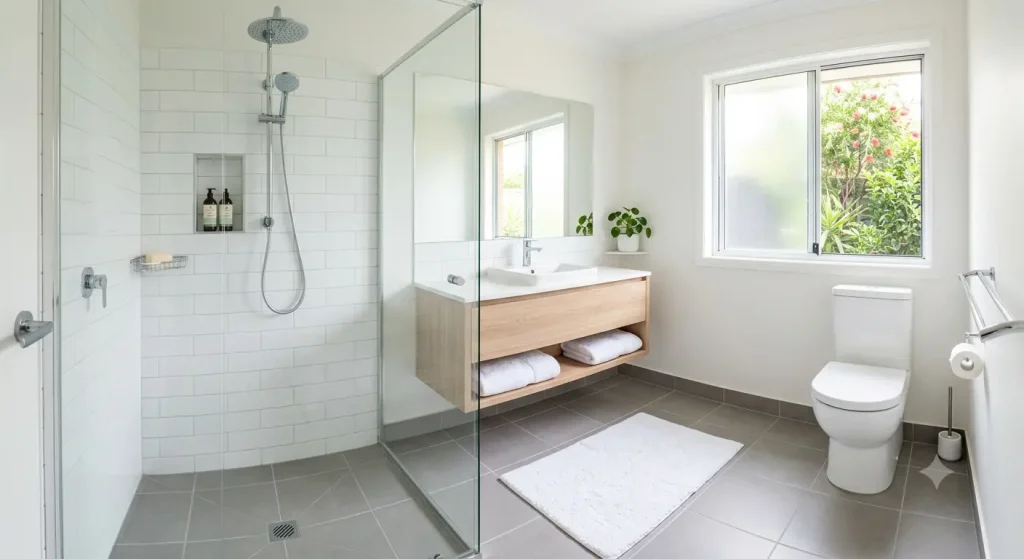
You should make a habit of scrubbing the bath, vanity and toilet. Use the right scrubber with grout and take soap scum out where plainly. Do not scratch when cleaning taps and fixtures to leave the areas pristine. Mirrors and other glass articles to minimize the likelihood of smudges . Take out garbage and clean inside cabinets if you were given them with the property. A good bathroom clean can really help make an impression on a rental inspection.
Treat Floors And Carpets
Floors dust, hair, dirt and stain during a tenancy. Vacuum carpets well including edges and corners. Mop hard floors following flooring manufacturer-care instruction. In Perth, making a good handling of carpet stains doesn’t mean you should soak the fibres. Carpet cleaning by professionals could bring out the best of a really dirty or stained carpet. However cleaning is your responsibility to do as per your T & C’s and property not ours. Don’t just replace carpets, or pay for specialist treatments, unless that cost is really necessary.
Clean Windows And Fixtures
Windows are such a beast to clean that they end up being completely ignored during routine household cleaning. In general they do leave their fingerprints together with smears of dust and dirt on glass, frames and tracks. As the need arises, you can clean dirty glass, wooden or metal framed windows and tracks. Don’t employ unsafe cleaning methods and don’t stand on unstable places to work from your height. Wipe light fittings and ceiling fans duly after turning them off. Brighten up air vents and reachable solutions by dusting. Also, look at mirrors, doors and handles. These end of job extras may enhance the appearance of the home before the final rental inspection.
Check Outdoor Areas Too
Outside areas may also be included in the definition of the condition of the property. Sweep patios, balconies, garages and streetscapes as needed. Pick up trash, leaves and bed personal items. Wipe away dirt on outdoor surfaces, but don’t scratch them. If you have been using a garden area, look for any items you brought into the building. Make sure to dispose of your bins because of this with your council collection service. Also don’t forget a quick clean and sweep after cleaning your garage and closets. Don’t forget to look after any special needs gardens, lawn and maintenance of the outdoor environment.
Complete A Final Inspection
After cleaning examine the home as a property manager would. In every room, walk with your checklist. Open cupboards, inspect corners, and look behind doors. Turn the lights on to discover any stains that are invisible in the dark. You are going to check floors, windows appliances and bathroom fittings once more. Capture detailed photos of your cleaned areas to keep the records. Holders of pertinent receipts of cleaning services will have these receipts at their disposal. Yet, you may prefer to make copies as it would save you the effort of having to locate the originals whenever a document is being referred to. Do the work which is left and then you can return the keys to the landlords.
Final Handover Checklist
| Task | Final check |
| Kitchen | Appliances and cupboards cleaned |
| Bathroom | Shower, toilet and grout checked |
| Bedrooms | Wardrobes and floors cleaned |
| Living areas | Walls, skirting and floors checked |
| Windows | Glass and accessible tracks cleaned |
| Carpets | Vacuumed and stains addressed |
| Outdoor areas | Rubbish and debris removed |
| Documentation | Photos and receipts saved |
Conclusion
Vacating a rental apartment is a hassle-free process provided one is armed with cleaning tips and tools. Firstly, read the tenancy agreement and condition checklist thoroughly. After that, start house by house clean while making sure to focus heavily on places that are dirt collectors like between the wall and the base, under the sofa or the top of the fridge. How to Clean Marble and Natural Stone Without Scratches can also help when dealing with delicate stone surfaces during the cleaning process. The last walk through should happen before handing back the keys and a photographic record of the property should be made for evidence purposes.
Frequently Asked Questions
1. What should tenants clean before moving out?
Tenants should clean areas covered by their tenancy agreement. Common tasks include kitchens, bathrooms, floors, windows and storage spaces.
2. Can cleaning affect my rental bond?
Cleaning concerns can sometimes contribute to disputes or deductions. Requirements depend on the tenancy agreement, property condition and applicable state or territory rules.
3. What are useful bond cleaning tips for tenants?
Start early, follow your condition report and clean each room systematically. Check hidden areas before the final inspection.
4. Should carpets be professionally cleaned?
Professional carpet cleaning may help with heavy soiling or stubborn stains. Check your agreement and avoid paying for unnecessary cleaning.
Related Posts
Why High-Touch Surfaces Are Changing the Way People Clean Their?
How often do you think you touch a doorknob or some other surface during a…
Easy Methodologies to Clean Ketchup Stains at Home
Clean Ketchup Stains at Home Using Easy Methods Ketchup all over once more, and asking…
How to Clean Windows Using Professional Techniques?
Why did you never notice that your windows never look so sparkling as those that…