How to Clean a Roof With a Pressure Washer Safely
Key Takeaways
- Inspect the roof before using a pressure washer
- Check the roofing material and manufacturer’s cleaning advice
- Use low pressure whenever the surface allows it
- Avoid damaging tiles, shingles, flashing, gutters and roof coatings
- Wear suitable safety gear and use stable access equipment
- Keep water away from electrical fixtures and roof vents
- Use suitable roof cleaning solutions for mould and algae
- Consider professional roof cleaning for steep or fragile roofs
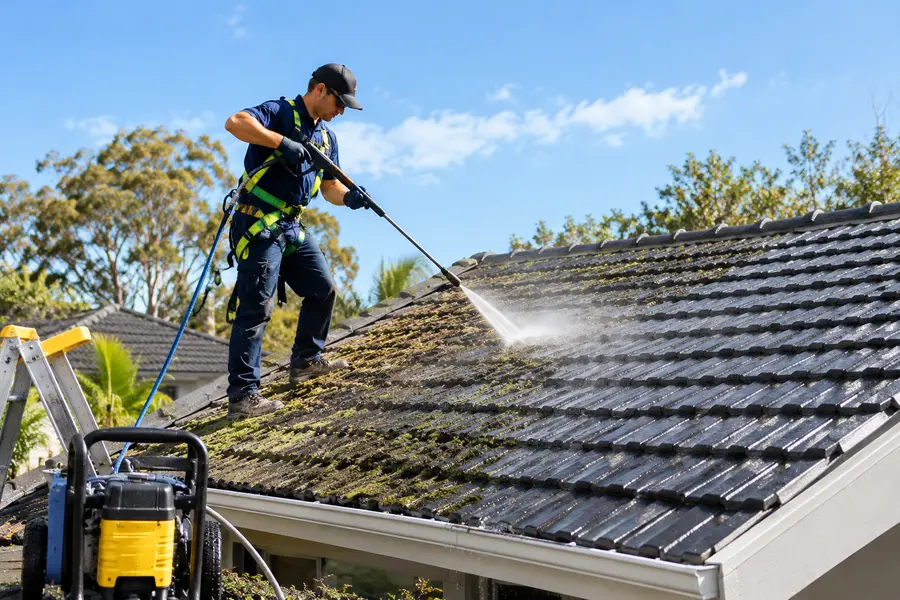
Dirt, leaves, moss, mould and other natural materials collect on roofs throughout the year. The harshness of Australian weather can make these issues even worse. Sun exposure, rainwater and moisture can gradually age roofing materials and cause dirt to build up. Pressure washing is a quick way to remove much of this dirt and grime, but excessive pressure can damage your roofing material. Just as vacate cleaning requires the right techniques to protect different surfaces, roof cleaning also needs proper care and preparation. Before you clean a roof with a pressure washer, it is important to understand the potential risks. In this blog, you will learn about safe pressure washing methods, suitable equipment, roof preparation and simple maintenance tips to keep your roof in good condition.
Check Your Roof First
Not all roofs can be pressure washed. Various types of roofing materials can respond variously to water from high pressure. Concrete tiles may be able to withstand the cleaning but the older tile could become very brittle. Terracotta tiles can be chipped too by sudden drops of pressure. In the case of metal roofing, it is best to direct special efforts on the areas of coatings, joints and screws. Begin by inspecting the roof at ground level. Look for broken tiles, loose sheets, damaged flashings and weathered sealants. Identify any obvious leaks or areas of thick mould. If the roof is delicate don’t pressure wash it on your own. A professional cleaner may suggest a safer cleaning method.
Roof Materials and Cleaning Risks
| Roof material | Main concern | Safer approach |
| Concrete tiles | Surface damage | Use controlled pressure |
| Terracotta tiles | Cracking and erosion | Use controlled pressure |
| Metal roofing | Coating damage | Use low pressure |
| Colour-coated steel | Paint deterioration | Follow manufacturer advice |
| Older roofing | Fragility and leaks | Consider professional cleaning |
Choose Suitable Equipment
Sometimes using the right pressure washer will be enough to do the job safely and with more precision. Powerful machines are not always required. Excess pressure can cause unnecessary damage to roofing surfaces. Select a machine with adjustable pressure settings. A wide-angle nozzle is generally safer than a concentrated jet. Whenever possible use appropriate extension wands. They can allow you to reach areas without having to stand directly on potentially fragile surfaces. Improvised attachments that create very high-pressure, narrow water streams should be avoided. Before using the pressure washer, check it. Inspect hoses, connections and electrical components for damage. A low-pressure washing system may be more suitable for many roofs. Always adhere to the cleaning instructions of your roofing manufacturer.
Prepare The Roof Area
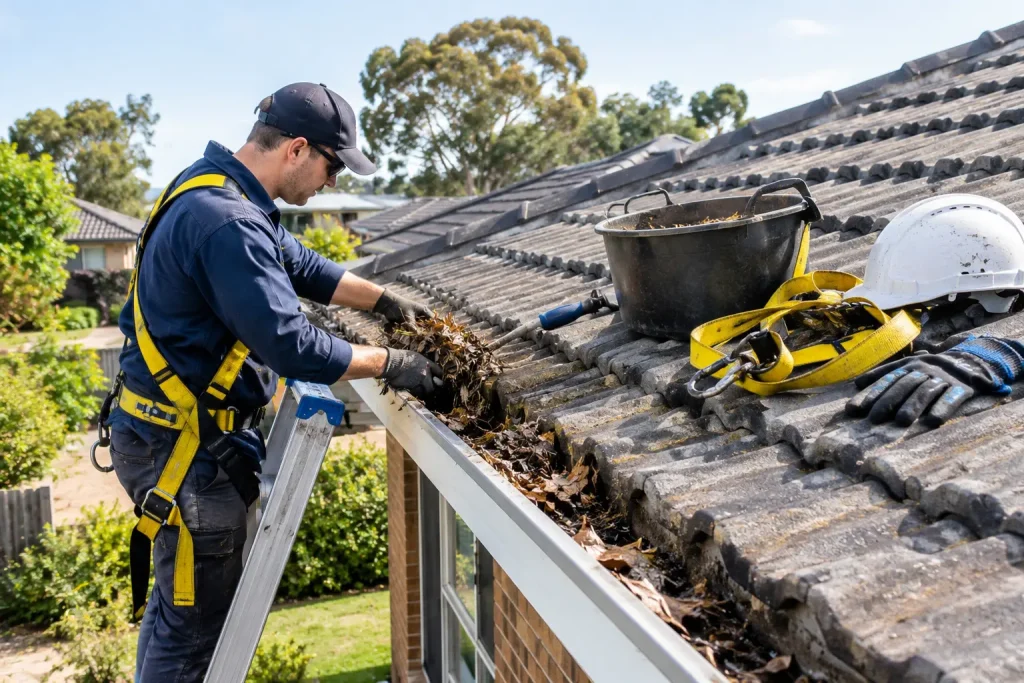
Preparation prevents accidents and nonsense in our procedure. Dislodge or lift off the loose leaves, twigs branches and other debris lying at the bottom of your gutter before you pressure clean. In case you find plenty of debris just empty out of the gutters and downpipes also. It’s what stops blockages when water and dirt are flowing off the roof. Cover or remove outside furniture that is near the cleaning location. Shield sensitive plants where feasible. What’s more, make sure to spot skylights, vents, solar panels and electrical fixtures. These areas need more care and attention. Don’t spray water into a high-pressure jet straight towards the electronic part or the power supply of appliances.
Use Pressure Carefully
One major point is actually quite easy to remember is just do not use too much pressure. Water coming in as a concentrated jet has the power to clean away more than just dirt. It can strip away protective coatings, loosen tiles or force water under roofing materials. Clean at the lowest water pressure that does the job and always try a discreet part first. Rather than letting it stay in one area, keep the water nozzle moving constantly. Maintain a minimum distance of a nozzle head from the roof surface. Do not force water under tile edges, flashing or roof joins. If there is any damage, you should stop and use a different way of cleaning.
Pressure Washing Safety Checklist
| Safety step | Why it matters |
| Test a small area | Identifies possible surface damage |
| Start with low pressure | Reduces risk of roof damage |
| Use a wide nozzle | Spreads water more evenly |
| Keep the nozzle moving | Prevents concentrated pressure |
| Avoid electrical fixtures | Reduces electrical hazards |
| Check gutters regularly | Prevents drainage blockages |
| Wear protective equipment | Helps reduce cleaning injuries |
Treat Mould And Algae
Pressure washing will remove surface dirt and some organic matter, but mould and algae can return if the source of moisture is not addressed. In Perth, changing weather conditions can contribute to moisture buildup and roof growth. Roof washing solutions can help treat these areas before a gentle rinse. Always choose a product designed for your specific roofing material. Roof cleaning can also involve safety risks without proper precautions. Dilute the cleaning agent as recommended, allow it to work for the specified time and avoid letting strong solutions dry on the surface. Be careful not to direct water underneath or behind roofing components.
Protect Yourself While Cleaning
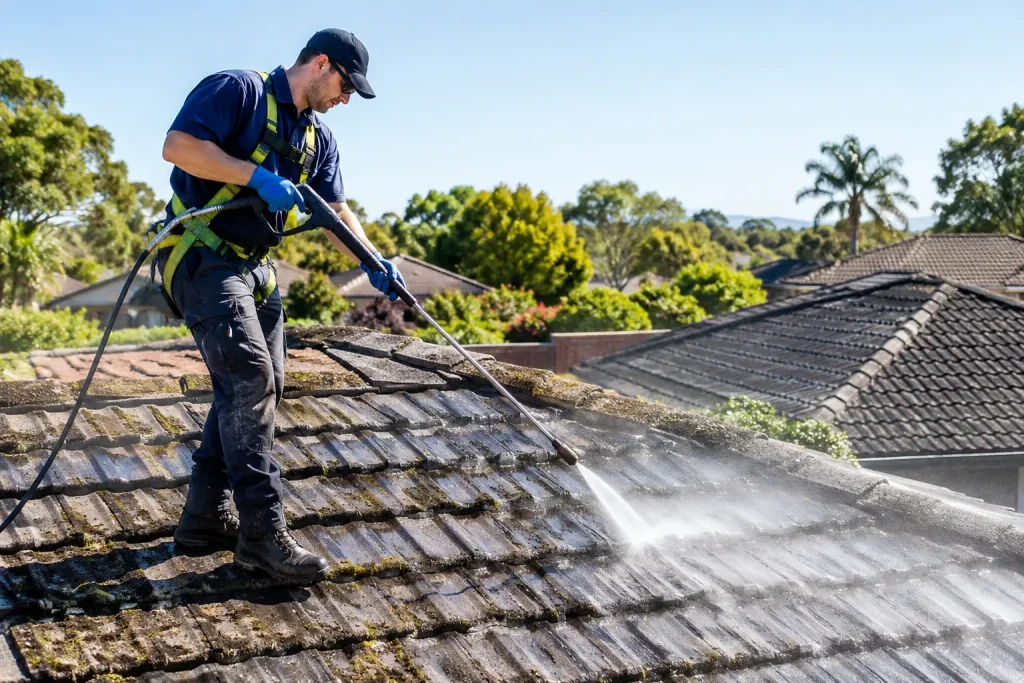
A seemingly easily accessible roof may, after all, be dangerously steep or slippery. Even the dullest roof materials can become hazardously slippery upon wetting. Pressure washer flexible hose, in fact, may cause accidents in the house vicinity. That means, you need good slip-resistant shoes for such an activity. You should also put on protective glasses since dirt and cleaning solution may splash your eyes unexpectedly. Hands protection gloves will prevent you from the harmful effects of cleaners and dirt. If you cannot gain access to a roof, it is a good idea not to try and get onto the roof on your own. You may decide to look for the professionals for the roof cleaning instead.
Clean And Inspect Afterwards
Once you have finished cleaning, examine the roof from a safe place. Lots of attention needs to be placed on signs like cracks in tiles or a part of the roof that is not tightly fixed together; it could mean that you’ll require repairs. Don’t ignore the gutters and downpipes either as they might have collected dirt and debris. When cleaning products have been taken to walls, paths or garden floors, rinse off all surrounding surfaces. Adhere to the product directions for disposal and handling of runoff. If there are any roofing materials that are damaged in your house, be prepared for big storms with your repair work on hand.
Know When To Hire Professionals
Roof pressure washing at home may look like a piece of cake until you discover all the dangers of cleaning a roof by yourself. Steep pitches, fragile tile and hard access can make employment dangerous. Professional cleaners have appropriate equipment and know-how on various types of roofs. Professional roof cleaning may be the answer when large areas are heavily coated with mould or algae. Without the need to apply too much high pressure they know best which methods to use. If your roof has solar panels, tire moss, broken tiles or is difficult to reach, it is best to call the professionals. Always aim for a good clean without damaging the roof.
Conclusion
Know your roof and its condition before starting any cleaning work. Don’t assume higher pressure is better for pressure washing. Controlled pressure, suitable equipment and careful preparation can help minimize damage. Inspect the roofing material before washing and cover gutters, electrical fixtures and surrounding areas. Specialized cleaners for mildew, moss and algae may also be needed. Similar to following 10 bond cleaning tips for tenants moving out, proper preparation and attention to detail can make the cleaning process safer and more effective. Above all, don’t climb onto a roof simply because a ladder is available. If the roof is steep, unstable or difficult to access, hiring a professional roof cleaning service is usually the safest option.
Frequently Asked Questions
1.Can you pressure wash a roof?
Some roofing materials can be pressure washed carefully. Always check the material and manufacturer’s recommendations first.
2. What pressure should I use?
Use the lowest pressure that effectively removes dirt. Test a small area before cleaning the entire roof.
3. Can pressure washing damage roof tiles?
Yes, Excessive pressure can crack tiles, remove surface coatings or force water underneath roofing materials.
4. Is roof pressure washing safe?
It can be risky because roofs become slippery and difficult to access. Professional cleaning is safer for steep or fragile roofs.
Related Posts
Clean Your Bathroom Thoroughly in 7 Easy Steps
Clean Your Bathroom Thoroughly in 7 Easy Steps Is your bath always in need of…
An Ultimate Guide to Steam Cleaning for Deeper Clean
Have you ever considered your carpets, upholstery or tiled floors and wondered whether they are…

A Room-by-Room Post-Party Cleaning Checklist
Cleaning Checklist: Room-by-Room Post-Party Cleaning Sharing a family gathering or get-together with friends is a…